
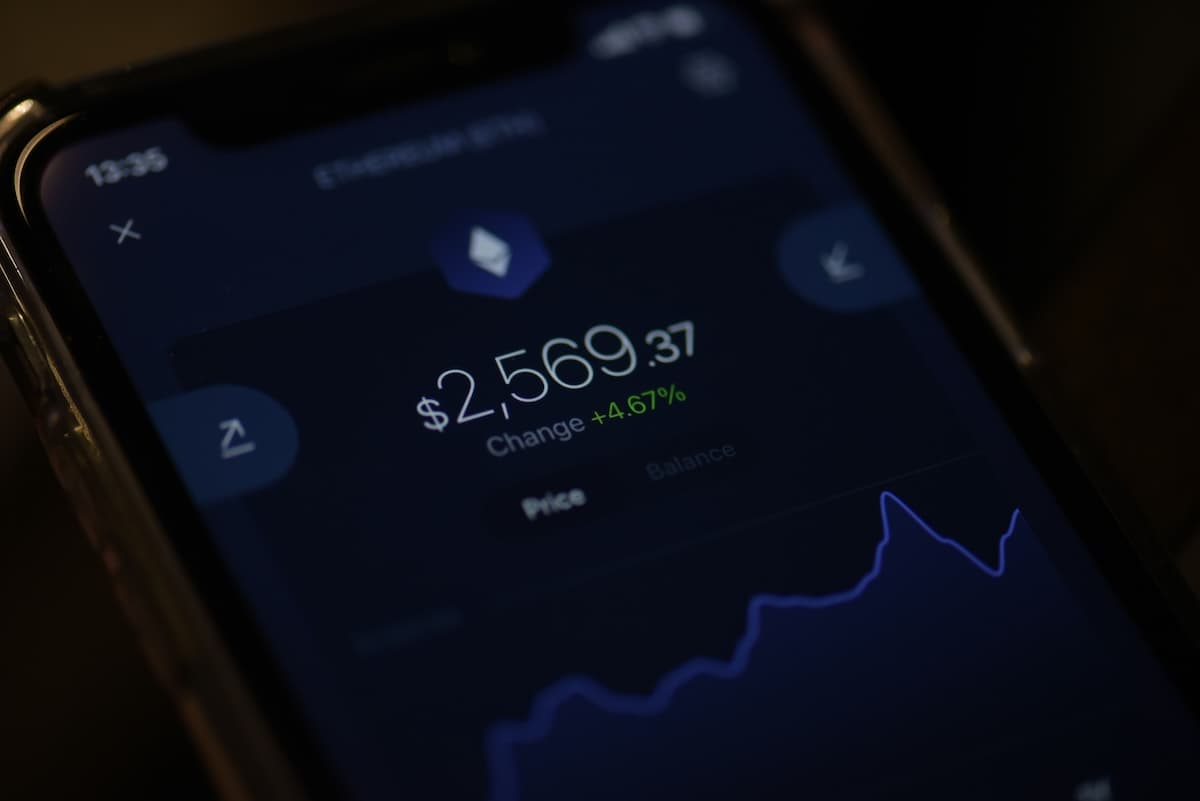
Cryptocurrency has been one of the hottest financial topics of the past decade.
Some see it as the future of money. Others think it’s just a bubble waiting to burst.
So, what exactly is cryptocurrency? How does it work? And more importantly—should you invest in it?
Let’s break it down in a simple, practical way.
What is Cryptocurrency?
At its core, cryptocurrency is digital money.
Unlike dollars, pounds, or euros, it doesn’t exist as physical notes or coins. Instead, it lives entirely online in a decentralized system.
The big difference? Cryptocurrency isn’t issued or controlled by governments or central banks. Instead, it relies on blockchain technology—a secure, public digital ledger that records every transaction.
This decentralized setup means no single entity controls it. It’s peer-to-peer, borderless, and (in theory) resistant to manipulation.
How Does Cryptocurrency Work?
Here’s the simplified version:
- Blockchain technology
Every transaction is recorded on a blockchain—a public ledger distributed across thousands of computers. This makes it transparent and difficult to hack. - Mining & consensus
New coins are often created through “mining” (solving complex computer problems) or other consensus methods like “proof of stake.” These processes verify and secure transactions. - Digital wallets
To use cryptocurrency, you need a digital wallet. This stores your crypto and allows you to send or receive funds. - Exchanges
Platforms like Coinbase or Binance let you buy, sell, and trade crypto with traditional money.
Why Do People Invest in Cryptocurrency?
1. Potential for High Returns
Crypto is volatile. That means prices swing wildly—sometimes in your favor. Investors are drawn to the chance of making significant profits quickly.
2. Decentralization & Independence
Some people like the idea of money not being tied to banks, governments, or inflation.
3. Innovation & Technology
Blockchain isn’t just about currency. It has applications in finance, supply chains, healthcare, and more. Investing in crypto is, for some, a way to back this innovation.
4. Hedge Against Inflation
In countries with unstable currencies, crypto can act as an alternative store of value.
The Risks of Cryptocurrency
Before you rush to invest, you should know the downsides:
1. Extreme Volatility
Prices can drop 50% or more in a matter of weeks. If you can’t stomach big swings, crypto may not be for you.
2. Lack of Regulation
With little oversight, scams and fraud are common. If your exchange is hacked or disappears, you could lose everything.
3. Security Risks
Lose your private wallet key? Your money is gone—permanently. There’s no “forgot password” option.
4. Speculative Nature
A large chunk of crypto’s value is based on speculation, not underlying economic fundamentals.
Different Types of Cryptocurrencies
Not all cryptos are created equal.
Here are the main categories:
- Bitcoin (BTC): The original and most widely recognized. Often seen as “digital gold.”
- Ethereum (ETH): Known for smart contracts—self-executing agreements built on blockchain.
- Stablecoins (e.g., USDT, USDC): Pegged to real-world currencies to minimize volatility.
- Utility Tokens: Used within specific platforms (like Binance Coin).
- Meme Coins (e.g., Dogecoin, Shiba Inu): Joke-based tokens with viral popularity but little long-term use.
Should You Invest in Cryptocurrency?
Now for the big question. The answer depends on your situation, risk tolerance, and financial goals.
Let’s weigh the pros and cons.
Pros
- Potentially high returns.
- Decentralized, global, and innovative.
- Offers diversification beyond traditional stocks and bonds.
- Could be a hedge against inflation or weak currencies.
Cons
- Extremely volatile and unpredictable.
- No government protection or safety net.
- Susceptible to scams, hacks, and theft.
- Regulatory uncertainty—rules could change at any time.
Smart Ways to Approach Crypto Investing
If you decide to dip your toes in, here are some practical tips:
- Only invest what you can afford to lose
Treat crypto more like speculative betting than a retirement plan. - Diversify
Don’t put all your money in one coin. Spread across a few different assets. - Use reputable exchanges
Stick to big, established platforms with strong security. - Consider cold storage
For large holdings, store coins in an offline wallet for extra safety. - Take a long-term view
Don’t panic sell at every dip. If you believe in the technology, think years—not weeks. - Stay informed
Follow news, regulations, and tech updates. The crypto landscape changes fast.
Common Misconceptions About Crypto
- “It’s only used by criminals.”
While it has been used for illicit activity, so has cash. Most crypto transactions today are legitimate. - “It’s completely anonymous.”
Not true. Transactions are traceable on the blockchain. - “It will replace all money.”
Possible, but unlikely in the near future. Governments are also exploring their own digital currencies.
Alternatives to Crypto Investing
If crypto feels too risky, you can still explore related investments:
- Blockchain stocks: Companies developing blockchain solutions.
- ETFs (Exchange-Traded Funds): Some ETFs track Bitcoin or blockchain-related firms.
- Central Bank Digital Currencies (CBDCs): Government-backed versions of crypto (currently in development in some countries).
These options might give you exposure to the trend without taking on full crypto risk.
Final Thoughts
Cryptocurrency is exciting, innovative, and full of potential. But it’s also volatile, unpredictable, and not for the faint-hearted.
If you’re curious and can afford to lose the money, investing a small portion of your portfolio could make sense.
If you’re risk-averse or saving for something important—like a home deposit—it might be better to watch from the sidelines.
At the end of the day, crypto is not a guaranteed path to riches. It’s a high-risk, high-reward play in a rapidly evolving financial world.
Approach it with caution, do your research, and never invest more than you can afford to lose.
✅ Bottom line: Cryptocurrency isn’t going away anytime soon. Whether you invest or not, understanding it is becoming increasingly important in today’s financial landscape.