
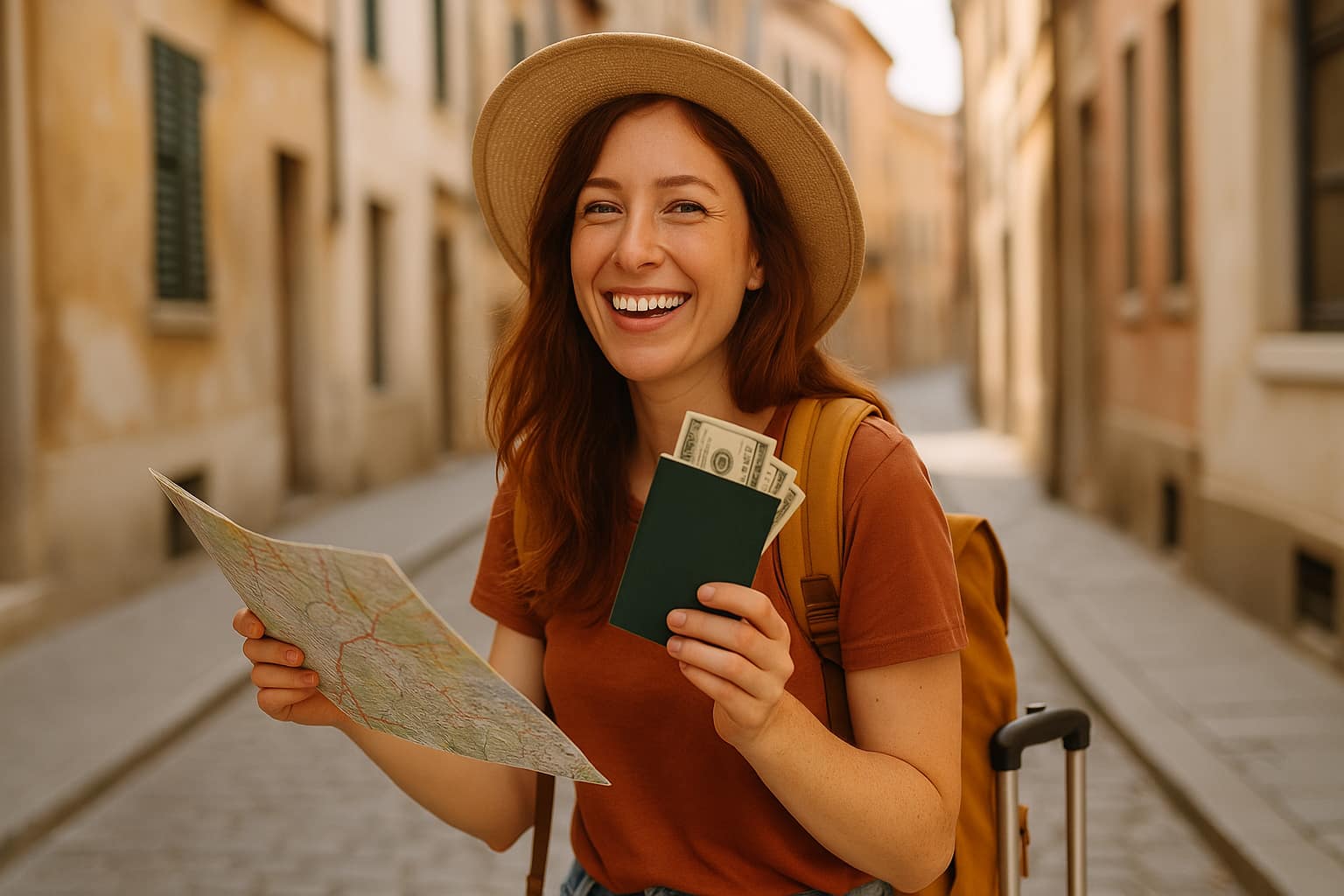
Traveling can be one of the most rewarding experiences in life. It opens your eyes to new cultures, gives you unforgettable memories, and helps you grow. But let’s be real—travel can also be expensive. Between flights, hotels, food, and activities, costs add up fast. The good news? You don’t have to drain your savings to see the world. With smart planning and mindful choices, you can explore without wrecking your finances.
Set a Travel Budget First
The first step to traveling smart is knowing what you can afford. Start by setting a clear budget for your trip. Decide how much you’re comfortable spending in total, then break it into categories:
- Flights and transportation
- Accommodation
- Food and drinks
- Activities and entertainment
- Souvenirs and extras
Practical Tip
Add a 10% “buffer” line in your budget for unexpected costs. That way, if something goes wrong—like a last-minute taxi or extra meal—you’re still covered.
Timing Is Everything
When you travel can matter just as much as where you travel. Peak seasons usually mean higher prices and bigger crowds. Off-season travel can save you money and give you a more relaxed experience.
Examples:
- Visit Europe in spring or fall instead of summer.
- Go to the Caribbean after the holiday rush but before hurricane season.
- Travel mid-week instead of weekends for cheaper flights.
Being flexible with dates can cut costs dramatically.
Hunt for Flight Deals
Flights are often the biggest travel expense. A few smart strategies can help you score lower prices:
- Use flight comparison sites (Skyscanner, Google Flights, Kayak): Compare across airlines quickly.
- Set alerts: Let apps track fares for you and notify when prices drop.
- Be flexible with airports: Sometimes flying into a nearby city saves hundreds.
- Book at the right time: Studies show 6–8 weeks before your trip often gives the best fares for domestic flights.
Practical Tip
Clear your browser cookies or search in “incognito mode” to avoid price hikes based on repeated searches.
Save on Accommodation
Hotels can be pricey, but you’ve got options:
- Airbnb or Vrbo: Great for longer stays or if you want a kitchen to cook meals.
- Hostels: Affordable and social, with options beyond bunk beds.
- Budget hotels: Chains often have loyalty programs for discounts.
- House-sitting or couch-surfing: Free stays if you’re open to less traditional options.
If you’re traveling with friends, splitting the cost of a rental property can be cheaper than booking multiple hotel rooms.
Eat Smart While Traveling
Food is part of the adventure, but eating out every meal adds up. Balance indulgence with savings:
- Local markets: Fresh, authentic, and cheaper than restaurants.
- Street food: Often safe, tasty, and part of the culture.
- Cook some meals: If your accommodation has a kitchen, prepare breakfast or dinner at “home.”
- Limit tourist traps: Restaurants near attractions usually inflate prices.
Practical Tip
Set aside money for a few “splurge” meals so you don’t feel deprived.
Transportation Hacks
Getting around can be surprisingly expensive if you’re not careful. Here are smarter ways:
- Public transportation: Buses, trains, and metros are almost always cheaper than taxis.
- Transit passes: Many cities offer unlimited-day passes for tourists.
- Walking and biking: Free, healthy, and lets you see more of the city.
- Ridesharing apps: Often cheaper than traditional taxis, especially if you split with others.
Free or Low-Cost Activities
You don’t have to spend big to enjoy your destination. Many cities have tons of free or cheap attractions.
- Parks, beaches, and hiking trails
- Free walking tours (often tip-based)
- Museums with free admission days
- Local festivals or markets
Check city tourism websites—they often list free events.
Manage Money Abroad
Don’t let hidden fees eat away at your budget. Plan ahead for handling money:
- Use no-foreign-transaction-fee cards: Saves 2–3% per purchase.
- Withdraw cash strategically: Avoid frequent ATM fees by withdrawing larger amounts at once.
- Use travel-friendly banks or apps: Some refund ATM fees worldwide.
- Keep multiple payment methods: A card, some local cash, and maybe a backup card.
Practical Tip
Tell your bank you’re traveling so they don’t block your card for “suspicious” activity.
Protect Yourself With Travel Insurance
Travel insurance may feel like an extra expense, but it can save you thousands in emergencies. It typically covers trip cancellations, lost luggage, and medical issues. Think of it as peace of mind for a fraction of your total budget.
Souvenirs Without Overspending
It’s easy to overspend on souvenirs, but a smart strategy keeps it under control:
- Set a fixed souvenir budget before the trip.
- Choose small items like postcards, magnets, or local snacks.
- Avoid buying at tourist-heavy shops—markets often have better deals.
Remember, photos and memories are the best souvenirs.
Stay Connected Without Huge Bills
Roaming charges can be brutal. To save money:
- Buy a local SIM card at your destination.
- Use apps like WhatsApp or Messenger for free calls over Wi-Fi.
- Check if your carrier has affordable international plans.
Plan, But Stay Flexible
A detailed plan helps you budget, but flexibility saves money. Being open to changing dates, destinations, or activities can lead to unexpected savings and adventures.
Example
Maybe you planned to take a paid tour, but you find a free local event instead. Swapping plans saves money and adds a unique experience.
Mindset Matters
Traveling smart isn’t about being cheap—it’s about being intentional. Spending should reflect your values. If experiences matter more than luxury hotels, direct your budget there. If food is your passion, allocate more to dining and less to shopping.
Sample Budget Breakdown
Let’s say you have $2,000 for a week-long trip. Here’s one way to allocate it:
- Flights: $600
- Accommodation: $500
- Food: $300
- Activities: $250
- Transportation: $150
- Souvenirs/extras: $100
- Buffer: $100
This budget keeps you on track while leaving room for flexibility.
Final Thoughts
Travel doesn’t have to wreck your finances. With smart planning, the right tools, and mindful choices, you can explore the world without guilt or debt. Set a budget, look for savings, and prioritize what matters most to you. Remember, the goal isn’t to spend the least—it’s to spend wisely so you come home with memories, not money regrets.