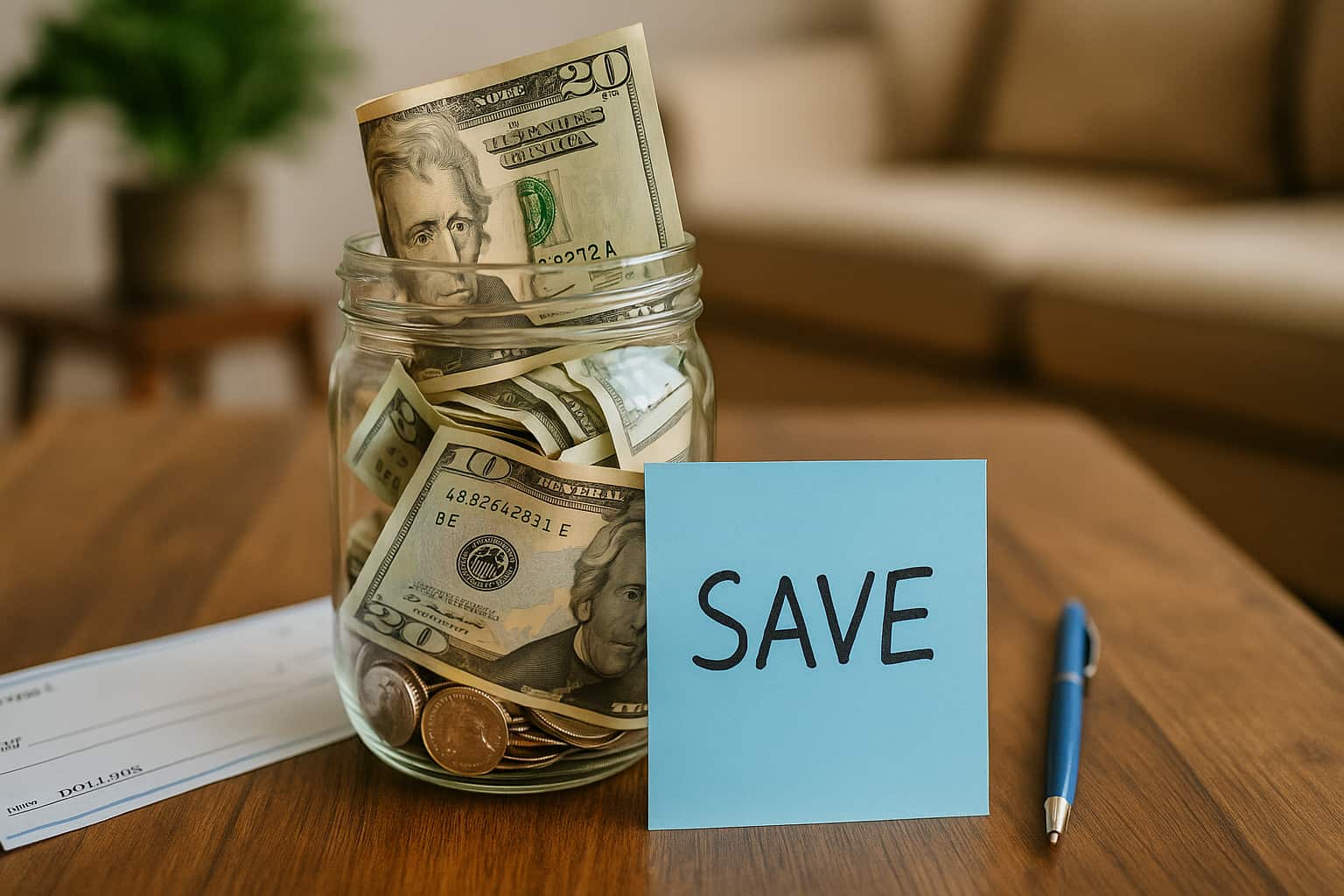

Most people know they should have an emergency fund. But saving three to six months of expenses sounds impossible when you’re already stretched. Rent, groceries, gas, maybe kids or pets—it all adds up fast.
The good news? You don’t need to give up your daily latte or cancel every fun plan to build a safety cushion. With the right hacks, you can grow an emergency fund while keeping your lifestyle intact.
Let’s break it down.
Why an Emergency Fund Matters
Think of an emergency fund as your financial shock absorber. It’s not about making you rich—it’s about keeping you safe.
Without it, even small surprises can cause big problems:
- A car repair that wipes out your checking account.
- A medical bill that forces you onto a credit card.
- A layoff that leaves you scrambling for rent.
With an emergency fund, these surprises turn into speed bumps, not roadblocks.
Hack 1: Automate Small, Invisible Transfers
The biggest secret to saving? You don’t miss money you never see.
Set up an automatic transfer that moves a small amount—$10, $20, maybe $50—into a separate savings account every payday.
Why it works:
- It feels painless because it’s automatic.
- Even tiny amounts add up faster than you think.
- You train yourself to live on slightly less without noticing.
Pro tip: Start ridiculously small. Even $5 per week builds momentum. Once you see progress, it’s easier to bump it up.
Hack 2: Hide Your Emergency Fund from Yourself
Temptation is real. If your emergency savings sit in the same bank as your checking account, it’s too easy to “borrow” from it.
Better option? Open a free online savings account with a different bank. Keep it separate and slightly inconvenient to access.
This does two things:
- Reduces the chance you’ll dip into it for non-emergencies.
- Makes the money feel “off-limits,” which is exactly what you want.
Hack 3: Use Found Money, Not Paychecks
One of the easiest ways to grow a cushion is to save “extra” money you weren’t counting on.
Examples include:
- Tax refunds
- Work bonuses
- Cash birthday gifts
- Side hustle earnings
- Rebates or refunds
Since you weren’t relying on this money for bills, it doesn’t hurt to put it straight into your emergency fund.
Hack 4: Trim Invisible Expenses, Not Joy
Most people think building an emergency fund means giving up things they love. Wrong. It’s about trimming the fat, not the fun.
Look for expenses you don’t even notice:
- Subscriptions you forgot about
- Bank fees
- Overpaying for phone/data plans
- Grocery items that go to waste
Cutting these doesn’t hurt your lifestyle—it actually improves it. That $30/month in “invisible waste” is $360 a year for emergencies.
Hack 5: Round Up and Save the Change
Apps and some banks let you “round up” purchases. Buy a coffee for $3.40, and it rounds to $4, putting 60 cents in savings.
Why this works:
- It’s effortless.
- Spare change adds up—$50+ per month without trying.
- You barely feel the difference.
If your bank doesn’t offer this, apps like Acorns or Qapital can do it for you.
Hack 6: Sell the Stuff You Don’t Use
Most of us have hundreds—sometimes thousands—of dollars in unused stuff lying around. Clothes, gadgets, old phones, exercise equipment, furniture.
Selling it online (Facebook Marketplace, eBay, Poshmark, etc.) can create an instant boost to your emergency fund.
And the best part? You free up space in your home while filling up your savings.
Hack 7: Make It a Family Game
If you live with a partner or kids, turn saving into a challenge.
Ideas:
- Each family member adds loose change to a jar.
- Set a household savings goal and celebrate milestones.
- Compete on who can find the biggest “waste expense” to cut.
This keeps it fun instead of stressful, and everyone feels invested.
Hack 8: Use High-Yield Savings Accounts
Once you’ve got some money in your fund, make it work harder.
A high-yield savings account (HYSA) earns far more interest than a standard account. Right now, some pay over 4% annually.
That means your money grows while sitting there—no effort required.
Note: Keep your emergency fund liquid. Don’t invest it in stocks or long-term bonds. Emergencies need quick access.
Hack 9: Leverage Cash-Back and Rewards
Credit card rewards, store loyalty points, and cash-back apps can all be converted into savings.
For example:
- Use cash-back cards for normal expenses (paying in full each month to avoid interest).
- Redeem rewards for statement credits, then move that same amount into your emergency fund.
- Use grocery or gas rewards apps and funnel the savings.
It’s like turning everyday spending into automatic contributions.
Hack 10: Build Slowly, Not Perfectly
The truth: most people never save three to six months of expenses all at once. And that’s okay.
Instead, break it into bite-sized goals:
- First goal: $500 (covers most surprise car repairs or medical bills).
- Next: One month of expenses.
- Then: Build toward three months, maybe six.
Each milestone feels like a win—and it is.
Quick Lifestyle-Safe Tricks
Here are a few rapid-fire hacks you can try immediately:
- Redirect raises. If you get a pay bump, save the difference instead of upgrading your lifestyle.
- Set “no-spend” days. Pick one or two days per week to avoid small purchases.
- Use cash for wants. It’s harder to overspend when you can see money leaving your hand.
- Name your account. Call it “Peace of Mind” or “Freedom Fund.” A label makes it feel more purposeful.
The Mindset Shift
Here’s the biggest hack: stop thinking of saving as deprivation. Think of it as buying freedom.
An emergency fund is what lets you say:
- “No problem” when your car breaks down.
- “I’ve got this” if you face a medical bill.
- “I can breathe” if your job situation changes.
It’s not money you can’t spend. It’s money that lets you live life without panic.
Final Thoughts
Building an emergency fund doesn’t mean living like a monk. It means being smart, intentional, and sneaky with your savings.
The hacks we covered—automating, hiding your fund, using found money, cutting invisible costs, and more—let you build financial security without draining the joy from your life.
Start small. Stay consistent. And remember: every dollar saved is one less dollar of stress later.
Your lifestyle doesn’t have to suffer. In fact, it gets better—because nothing feels lighter than financial peace of mind.