
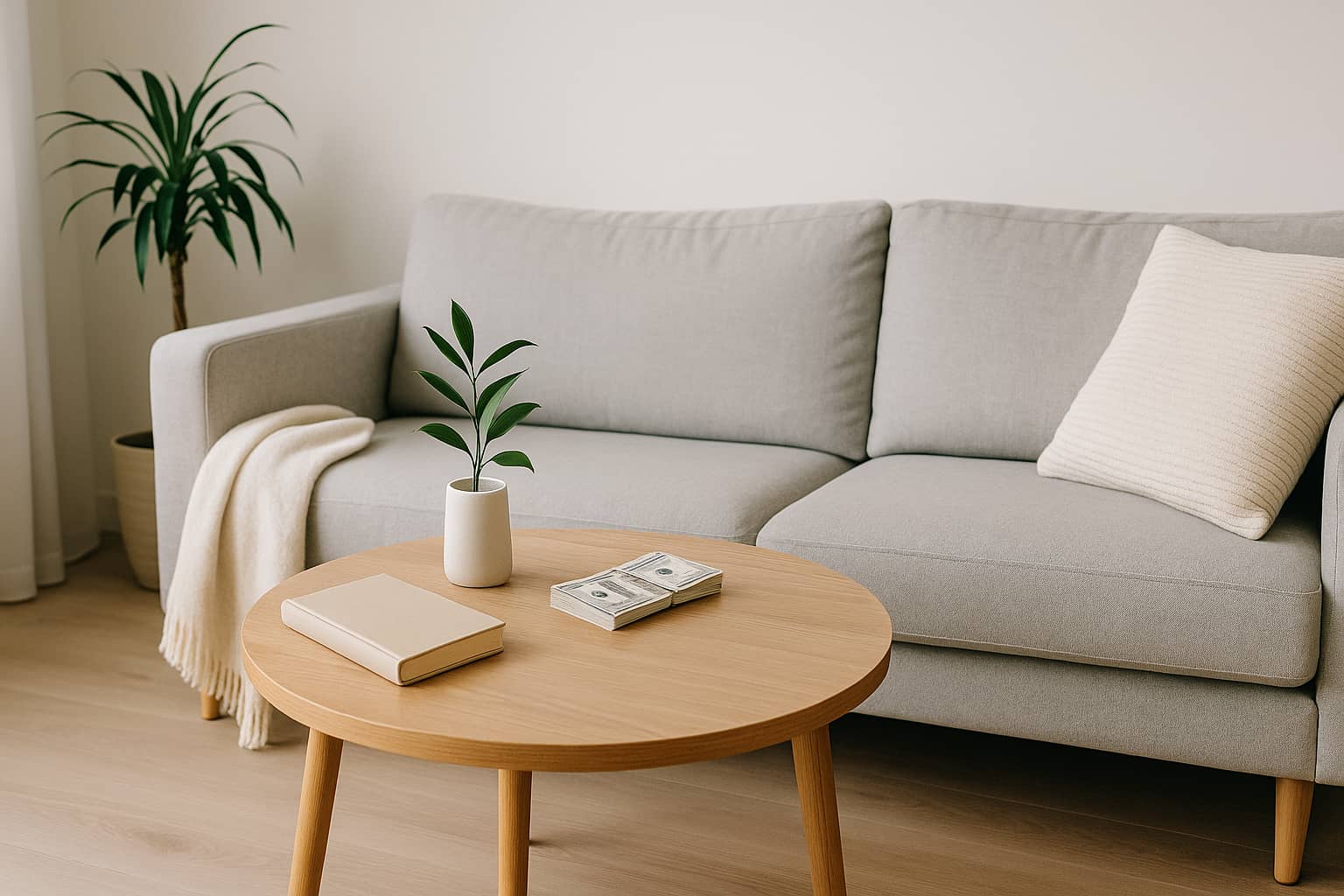
Minimalism isn’t just about living with fewer things. At its core, it’s about being intentional—choosing what truly adds value to your life and cutting out the rest. While many people think of minimalism as an aesthetic (clean spaces, neutral colors), it can also be a powerful financial strategy. By simplifying your lifestyle, you can save more money, reduce stress, and even reach big financial goals faster. Let’s dive into how minimalism and money go hand in hand.
What Minimalism Really Means
Minimalism is about focusing on quality over quantity. It’s choosing fewer possessions but making sure they serve a purpose or bring joy. Financially, that translates to spending less on things that don’t matter and freeing up cash for the things that do. Minimalism isn’t about deprivation—it’s about alignment.
Think of it this way:
- A minimalist doesn’t skip dinner out because they “can’t.” They skip it because they’d rather spend that money on travel or investing.
- A minimalist doesn’t refuse to buy clothes. They buy fewer but higher-quality pieces that last longer.
The Financial Benefits of Minimalism
When you simplify your life, you naturally spend less. Here’s how it boosts your savings:
- Less impulse buying: When you value space and clarity, clutter loses its appeal.
- Lower housing costs: A smaller home or apartment can meet your needs while cutting rent or mortgage payments.
- Reduced maintenance: Fewer gadgets and possessions mean fewer repairs and replacements.
- More mindful spending: You learn to pause before purchasing and ask, “Do I really need this?”
Practical Tip
Try the “24-hour rule.” If you want to buy something non-essential, wait a day. Often the urge disappears, and you save money without feeling deprived.
Decluttering as a Money-Maker
Decluttering isn’t just about creating space—it can also put money back in your pocket. Go through closets, garages, and storage spaces to find items you no longer use. Then:
- Sell on platforms like eBay, Poshmark, or Facebook Marketplace.
- Host a garage sale.
- Trade items through local swap groups.
Not only do you make extra cash, but you also learn to value what you keep.
Minimalism and Housing
One of the biggest expenses in life is housing. Minimalism challenges the idea that bigger is always better. By downsizing or choosing a simpler space, you save on:
- Rent or mortgage payments
- Utilities (heating, cooling, electricity)
- Furniture and décor costs
- Maintenance and cleaning time
Example
If moving from a $2,000/month apartment to a $1,500/month apartment saves you $500, that’s $6,000 per year. Imagine what that could do for your emergency fund or debt repayment.
Minimalism in Food Spending
Food is another area where minimalism helps financially. Many of us overspend on takeout, snacks, and groceries we don’t finish. Simplifying your food habits can save hundreds each month.
- Plan simple meals with fewer ingredients.
- Buy staples in bulk and avoid specialty items you rarely use.
- Cook at home more often instead of dining out.
- Reduce food waste by buying only what you’ll eat.
Minimalism in food doesn’t mean boring meals—it means fewer, intentional choices that save money and time.
Wardrobe Minimalism
Fast fashion encourages buying more and more clothes, but minimalism flips that script. A “capsule wardrobe” of versatile, timeless pieces saves money and reduces clutter.
- Buy high-quality basics that mix and match.
- Focus on neutral colors and classic styles.
- Invest in durable shoes and accessories.
- Avoid trend-chasing, which often leads to regret purchases.
Practical Tip
Try a “one in, one out” rule—every time you buy a new clothing item, donate or sell one.
Minimalism and Subscriptions
Subscriptions can quietly eat away at your budget—streaming services, apps, subscription boxes, gym memberships. Minimalism encourages reviewing these regularly. Ask yourself:
- Do I use this regularly?
- Does it bring real value?
- Could I replace it with something free or cheaper?
Canceling unused subscriptions can free up hundreds of dollars a year.
Minimalism and Debt
When you embrace minimalism, you naturally free up cash to tackle debt. By cutting spending on things that don’t matter, you can redirect money toward high-interest loans and credit cards. This accelerates your journey to financial freedom.
Example
If you save $300 a month through minimalist choices and apply it to a credit card with a 20% interest rate, you’ll save thousands in interest over time.
Experiences Over Things
Minimalism often shifts focus from buying stuff to enjoying experiences. Instead of filling your home with items, you fill your life with memories. Financially, this is powerful because:
- Experiences don’t require storage or maintenance.
- They often bring longer-lasting happiness than material purchases.
- Many experiences (like hiking, picnics, or local events) are inexpensive or free.
How to Start Practicing Minimalism with Money
If you’re new to minimalism, here are steps to get started:
- Audit your spending. Look at the last three months—what did you buy that truly added value?
- Declutter one area. Start small, like your closet or kitchen, and notice how it feels.
- Set financial priorities. Decide what matters most (debt, savings, travel, etc.).
- Cut obvious waste. Cancel subscriptions you don’t use, stop impulse buys, and limit dining out.
- Redirect savings. Move the money you free up into a savings account or toward debt.
Common Misconceptions About Minimalism
“Minimalism means owning nothing.” Not true. It’s about owning what serves you.
“Minimalism is boring.” In reality, it can free you to spend more time and money on things you enjoy.
“You need to be extreme.” Minimalism is flexible—do what works for your lifestyle.
Long-Term Financial Impact
Minimalism isn’t just about saving money today. Over time, it can transform your financial future. You’ll:
- Build an emergency fund faster.
- Pay off debt more quickly.
- Save more for retirement.
- Reduce financial stress and decision fatigue.
These changes add up, giving you more freedom and flexibility in the long run.
Final Thoughts
Minimalism and money are deeply connected. By simplifying your life, you reduce waste, cut costs, and align your spending with your values. It’s not about having less—it’s about making room for more of what matters. Whether that’s saving for the future, traveling the world, or just enjoying peace of mind, minimalism can help you get there. Start small, make intentional choices, and watch how simplifying boosts not just your savings, but your whole life.